A medieval manuscript outlasts a floppy disk
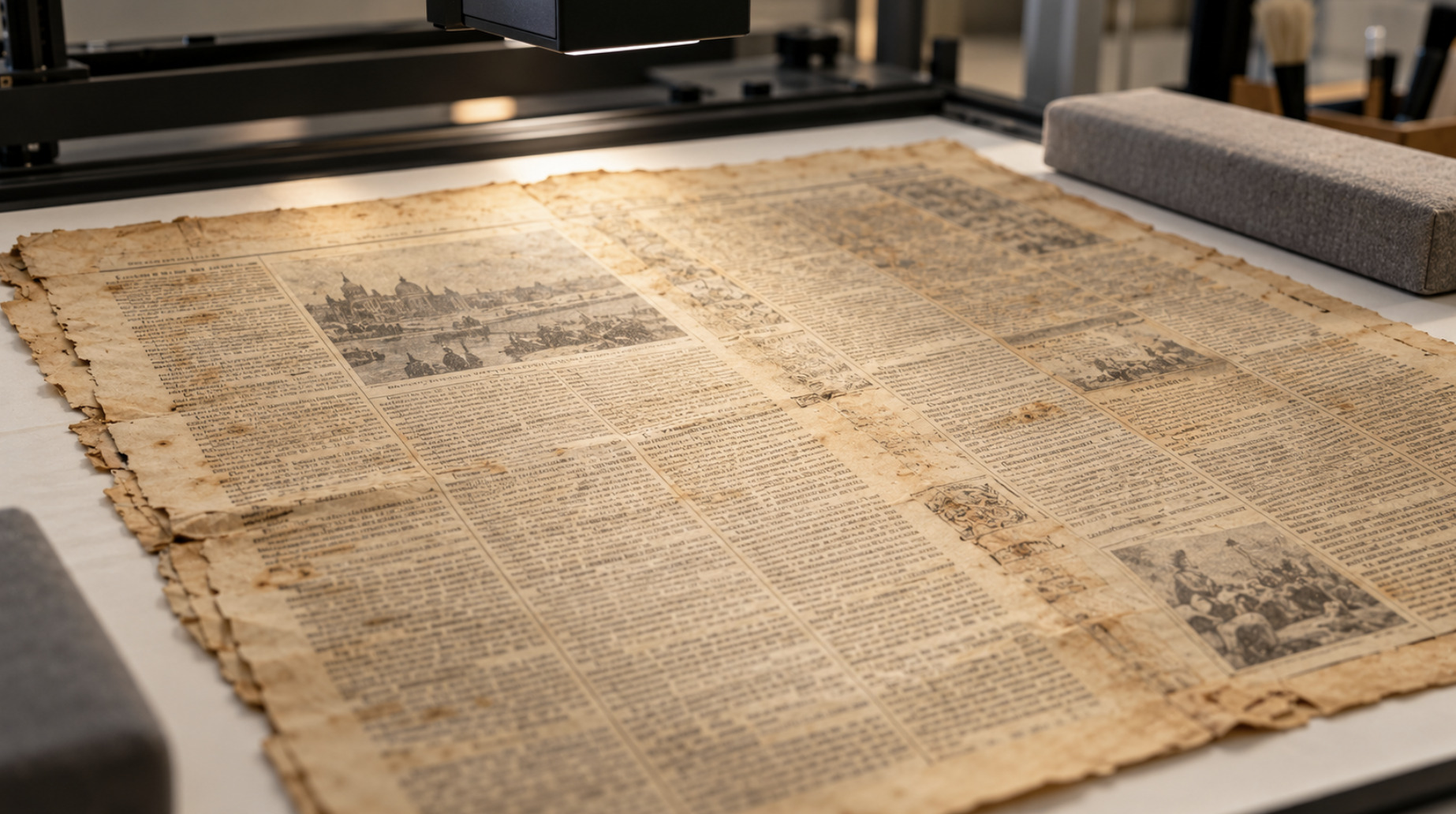
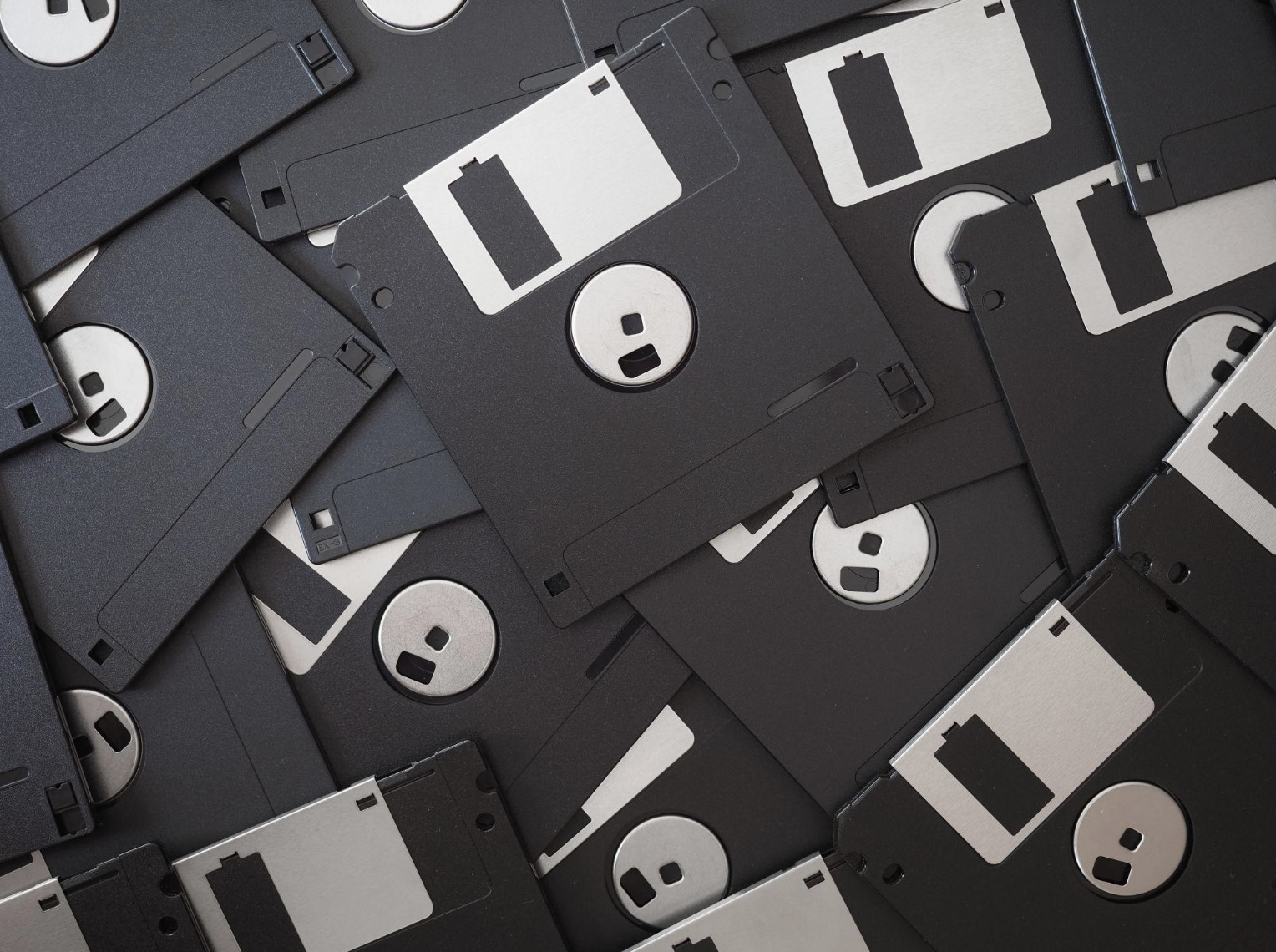
Consider the strange arithmetic of survival. A vellum manuscript from a thousand years ago can be pulled from a shelf today and read by anyone who knows the language. A document written on a computer thirty years ago may already be unrecoverable — trapped on a disk no drive can read, in a file format no software can open, encoded by a program that no longer exists. The manuscript needed only eyes and light. The digital file needs a precise and fragile stack of working hardware, compatible software, and intact media, and the failure of any one layer renders it silent.
This inverts our intuition completely. The older a paper document is, the more we revere its survival; the older a digital file is, the more likely it is already lost. Durability in the digital world is not a property of the object. It is the product of constant, active intervention, and the moment that intervention stops, decay begins.
The three ways the record dies
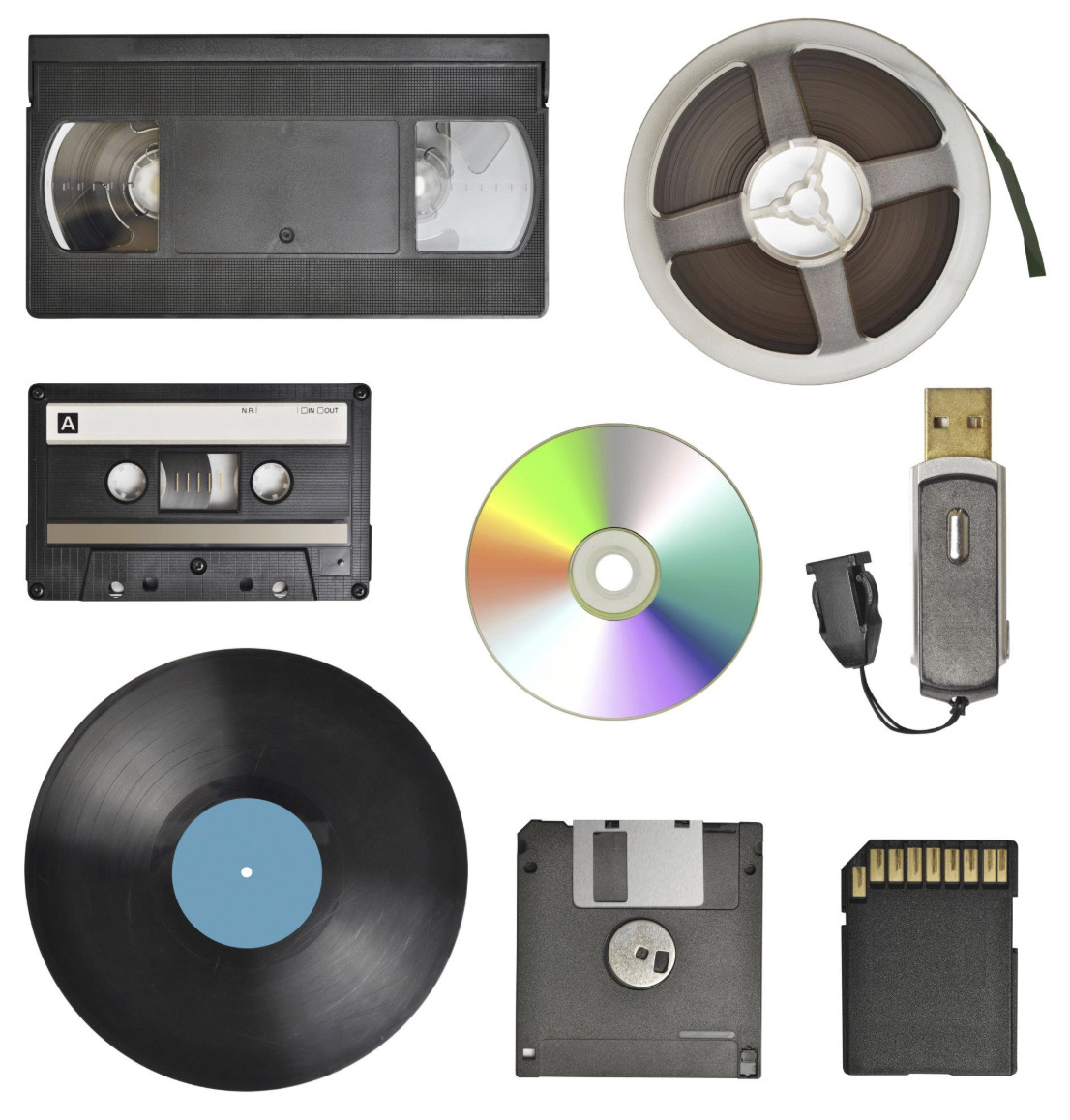
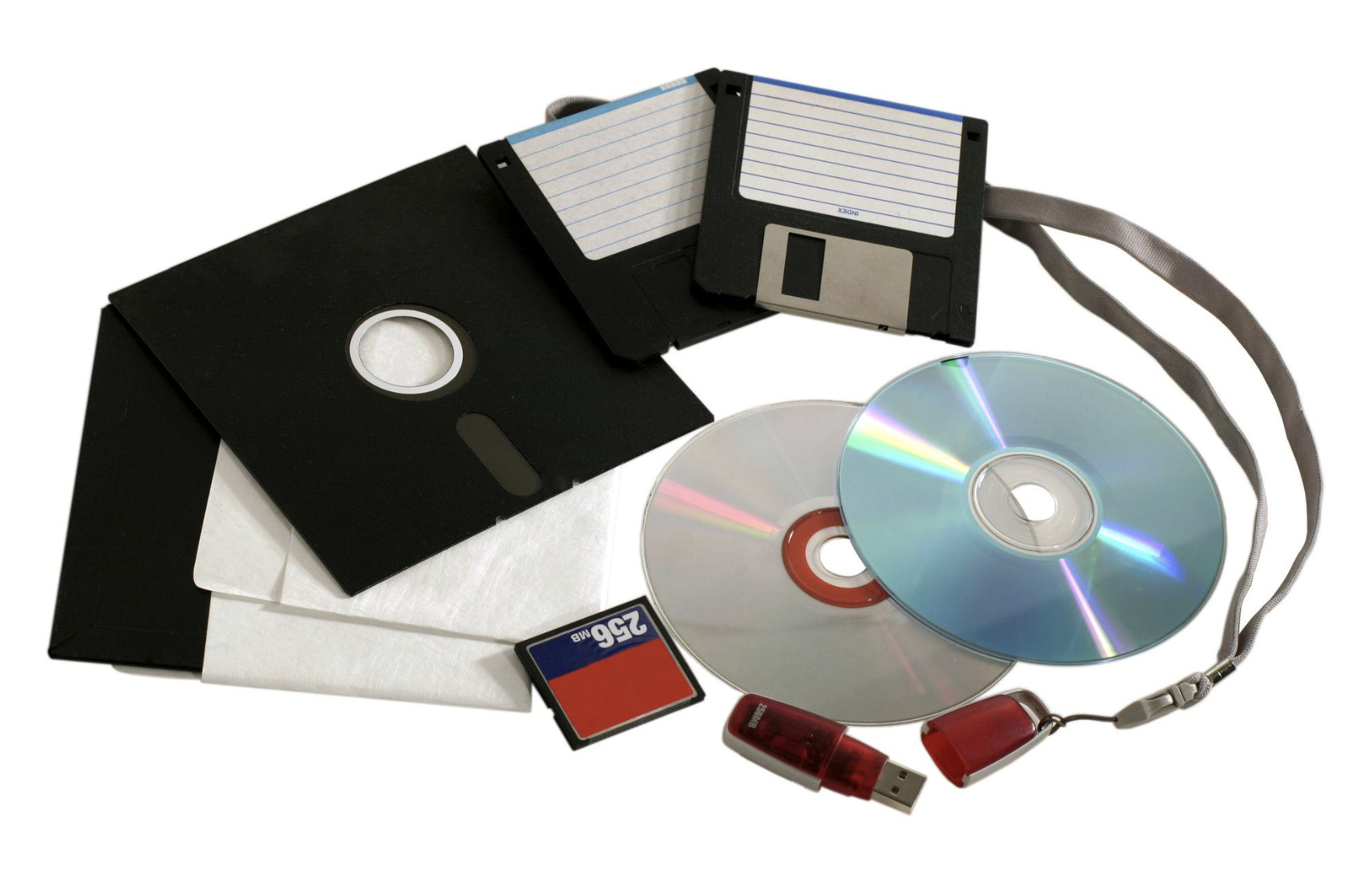
Bit rot is really a family of distinct failures. The first is the decay of the physical media itself. Hard drives fail, optical discs degrade, magnetic tape loses its charge, flash memory leaks its stored bits over years of disuse. No storage medium is permanent, and many consumer formats degrade alarmingly fast. A drive in a drawer is not an archive; it is a countdown.
The second, and more insidious, is format obsolescence. Even when the bits survive perfectly, they are meaningless without the software that can interpret them. File formats are abandoned, applications are discontinued, the proprietary encoding of a once-ubiquitous program becomes an indecipherable cipher. The bits are intact and entirely useless, like a perfectly preserved book in a script no living person can read.
The third is link rot, the disease of the networked record. So much of what we now treat as knowledge does not live in a file at all but at an address — a link to a page, a citation pointing to a URL. Those addresses decay relentlessly. Studies of scholarly and legal citations have repeatedly found that a large fraction of referenced links are dead within years, taking the cited evidence with them. The footnote survives; what it pointed to is gone.
Why "just make copies" is not enough
The naive answer is redundancy: keep many copies, in many places. It is necessary and nowhere near sufficient. Copying preserves the bits, but it does nothing about format obsolescence — a thousand perfect copies of an unreadable file are still unreadable. And copies themselves require active management: someone must check that they have not silently corrupted, refresh the media before it fails, and verify integrity against the original. Storage is not preservation. Storage is the easy part.
Real digital preservation is a continuous practice, and the field has converged on two main strategies for the format problem. Migration moves content into current, well-supported formats over time, accepting small losses at each step to keep the material openable. Emulation takes the opposite tack, preserving the original files and recreating the old software environment needed to run them, so the object can be experienced as it was. Both are demanding, both have costs, and choosing between them is a genuine intellectual problem, not a technical footnote.
Preservation as an active institution
What all of this reveals is that digital preservation is not a one-time act of saving but a permanent institutional commitment. Long-running efforts in the library world built their architecture around exactly this insight — distributed networks that hold many independent copies, continuously check them against one another, and quietly repair corruption before it spreads. The principle is that nothing entrusted to a single system, a single copy, or a single format is safe. Survival requires distribution, vigilance, and an organisation willing to keep paying attention for longer than any individual career.
That last requirement is the hardest. Bit rot is not defeated by a clever algorithm but by sustained funding and institutional will, decade after decade, for material that may attract no attention until the moment someone needs it and finds it gone. It is preservation as a public good, with all the difficulty that implies.
What we owe the unread
The cruelty of bit rot is that it is invisible until it is total. A collection can appear perfectly fine right up to the day someone tries to open it and discovers the loss is already complete. There is no warning light, no slow yellowing of the page to prompt rescue — just a file that worked yesterday and is gibberish today. By the time anyone notices, it is usually too late.
This is why digital preservation deserves to sit at the centre of any serious conversation about the future of libraries, rather than at its technical margins. We have entrusted an enormous and growing share of human memory — the records, the science, the culture, the everyday correspondence of an entire civilisation — to a medium that decays the instant we stop tending it. The question is not whether bits rot. They do, constantly and everywhere. The question is whether we will build the patient, unglamorous, permanent institutions required to outlast the rot. The shelves of the next century will hold only what we are still actively keeping. Everything else will simply, quietly, be gone.
Discover more in our comprehensive guide, where we explain the process in detail and highlight the most important points to consider.