
A few weeks ago this blog ran a piece on the oldest dice ever found — small, lopsided objects pulled from a Bronze Age burial at Shahr-i Sokhta, still legible as game pieces after five thousand years in the ground. It is worth holding that image next to a more uncomfortable one. A slot game released by a major online casino in 2012 may already be harder to recover than those dice. The dice survived because they were made of stone and nobody needed permission to look at them. The slot game was built in proprietary code, wrapped in licensing, hosted on servers that have since been decommissioned, and rendered in a browser plugin that no longer exists. It did not rot. It was simply switched off.
This is the paradox at the centre of born-digital preservation, and online gambling is one of its sharpest illustrations. Let's take a Spinboss online casino as example. Few sectors of the modern web generate as much data, and few are as indifferent to keeping it. Every spin, every hand, every adjustment of a live betting line is a record. Online casinos and betting platforms log billions of these events: random-number-generator seeds, payout tables, odds movements timed to the second, the precise shape of how a market reacted to a missed penalty or a withdrawn serve. Taken together, this is one of the largest continuous archives of human risk-taking ever assembled. Almost none of it is being preserved in any sense a librarian would recognise.

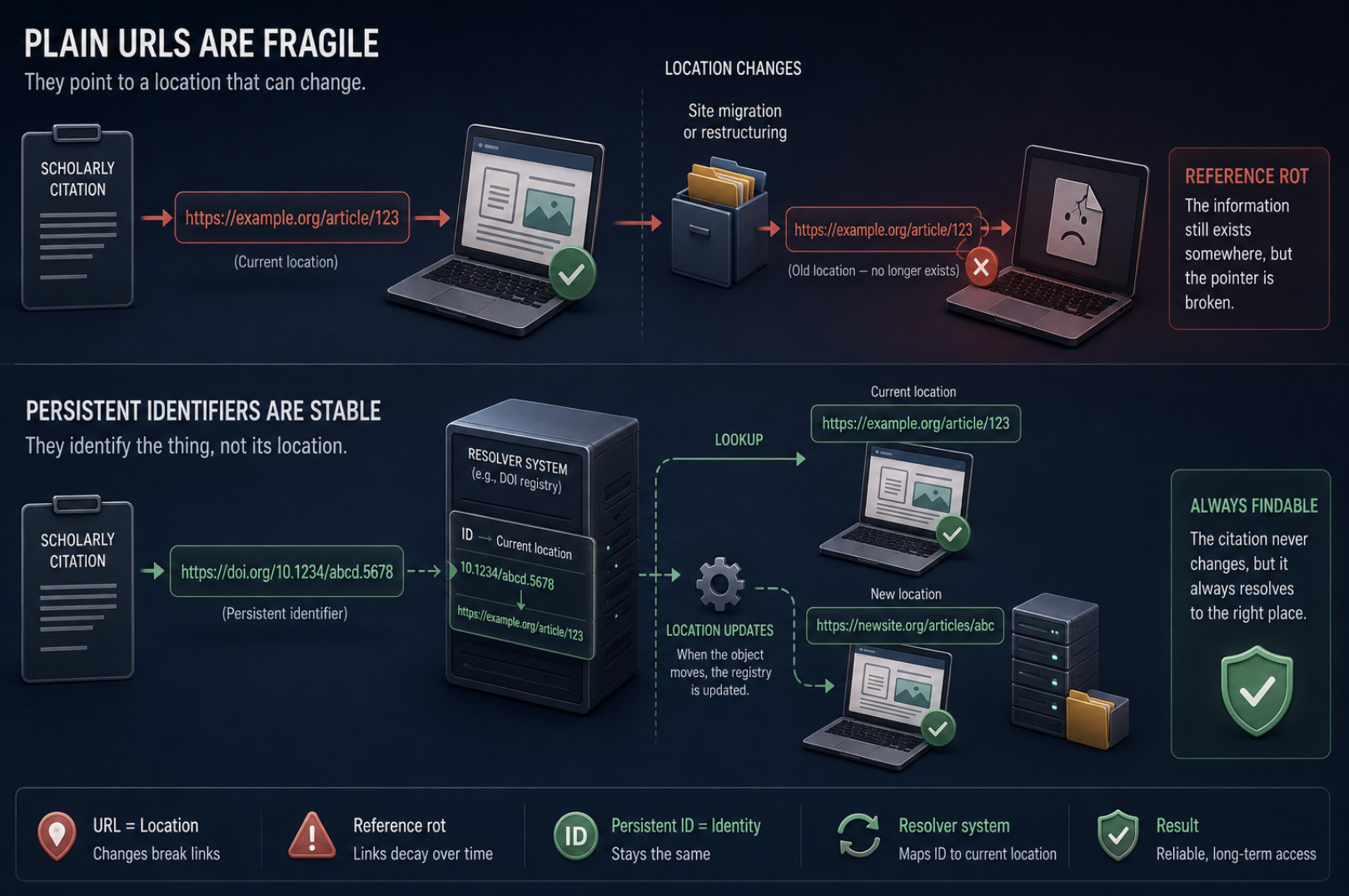
The reason is that retention and preservation are not the same thing, even though the gambling industry is legally required to do the former. Regulators such as the UK Gambling Commission oblige operators to keep transaction and game data for fixed periods, typically measured in a small number of years, and to produce it on demand. But compliance retention is a locked filing cabinet, not a library. The data sits in operational databases, undescribed, uncatalogued, accessible only to the operator and its auditors, and scheduled for deletion the moment the legal clock runs out. There is no finding aid, no persistent identifier, no commitment to keep anything once the obligation lapses. When the requirement expires, the cheapest and safest thing an operator can do is destroy the records entirely. Most do.
What disappears with them is more than rows in a table. The platforms themselves are cultural objects. The death of Flash at the end of 2020 is the clearest case study the field has. For roughly fifteen years, a vast proportion of online casino games, browser arcades, and early interactive betting interfaces were built in Flash. When browsers dropped support, that entire generation of software did not migrate or degrade gracefully — it went dark almost overnight, taking with it the look, feel, sound, and interaction logic of an era of digital entertainment that hundreds of millions of people actually used. Emulation efforts have recovered fragments of the open web's Flash heritage, but the gambling layer, locked behind logins, payment walls, and aggressive licensing, was largely uncatchable. We preserved more of the free games than the commercial ones, simply because the free ones were reachable.
For a digital-libraries community, this should be a familiar and uncomfortable pattern. The material that is hardest to preserve is exactly the material that is proprietary, access-controlled, and commercially sensitive — which is to say, much of the actual texture of twenty-first-century digital life. Online gambling sits at the extreme end of this spectrum. It is enormous, it is woven through popular culture, sport, and the economics of the open internet, and it is almost entirely undocumented as heritage. A future historian who wants to understand how people gambled, what the interfaces nudged them toward, how odds were framed, or how a platform's design shaped behaviour will find the primary sources gone. They will be left with marketing screenshots, regulatory summaries, and the recollections of users, much as historians of early radio work from listings and memory rather than recordings.
None of this means a research library should rush to mirror live betting feeds. The ethical questions are real and they are not incidental. Gambling causes documented harm, and an archive that preserved fully identifiable betting histories would be a privacy catastrophe and a possible vector for that harm. Any serious preservation effort would have to grapple with anonymisation, with consent, with the difference between preserving a system and preserving the people caught inside it, and with whether some material should be kept dark for decades before any access is granted. These are precisely the questions the field already debates around medical records, social-media corpora, and born-digital personal archives. Gambling does not introduce a new problem so much as it concentrates several familiar ones into a single, well-funded, fast-moving target.
The practical case for acting is simply that the window is short and closing. Physical dice gave archaeologists five thousand years of grace. A betting platform gives us, at best, the length of a regulatory retention schedule, and at worst the gap between one acquisition and the next migration. The interfaces change quarterly. The companies merge, rebrand, and delete. The plugins die. If the digital-libraries community waits for online gambling to feel respectable enough to study before it bothers to capture anything, it will be studying an absence — the shape of a thing inferred from its outline, like the impression of a coin pressed into clay long after the coin was melted down. The work of preservation has never been about deciding in advance what deserves to last. It has been about keeping enough of the record intact that someone, later, can make that decision for themselves.