

Allison Powell
University of Virginia — Scholars' Lab · United States
18 posts
Allison works at the intersection of humanities scholarship and sustainable infrastructure. She's responsible for the Scholars' Lab's long-term commitment to graduate training — the part of digital library work that almost no one budgets for.
Allison’s talk argues that the most underfunded component of the open-knowledge stack is human: the graduate curricula, the slow apprenticeships, the informal mentorship that quietly produces the next generation of builders. She offers a concrete blueprint for how institutions can reinvest without waiting for a federal program to save them.
Articles
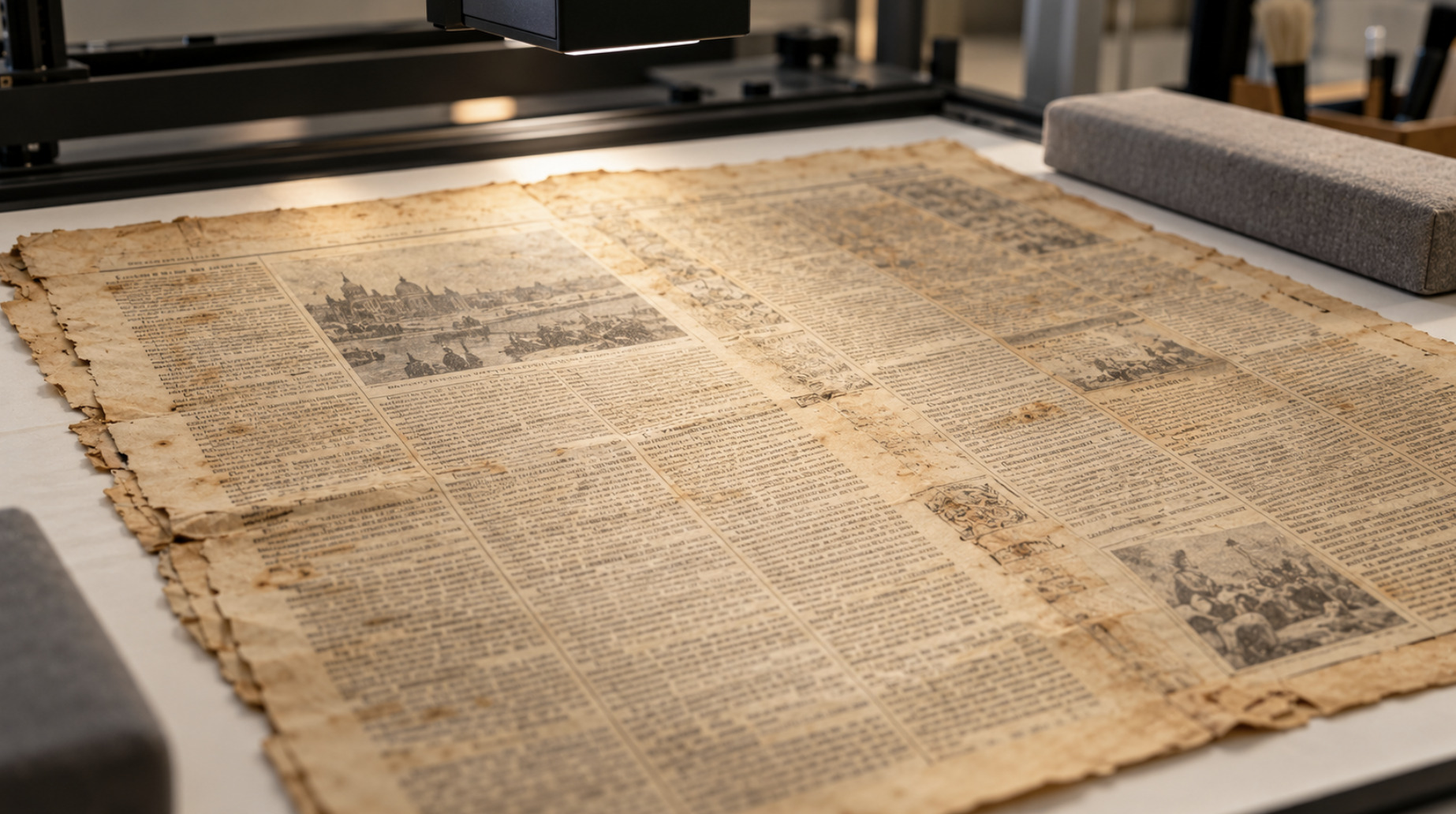
Why OCR Errors Still Decide What Digitised Archives Let You Find
When a library digitises a historical newspaper, a reader sees a page image: crisp, zoomable, apparently complete. A search engine sees something else entirely…
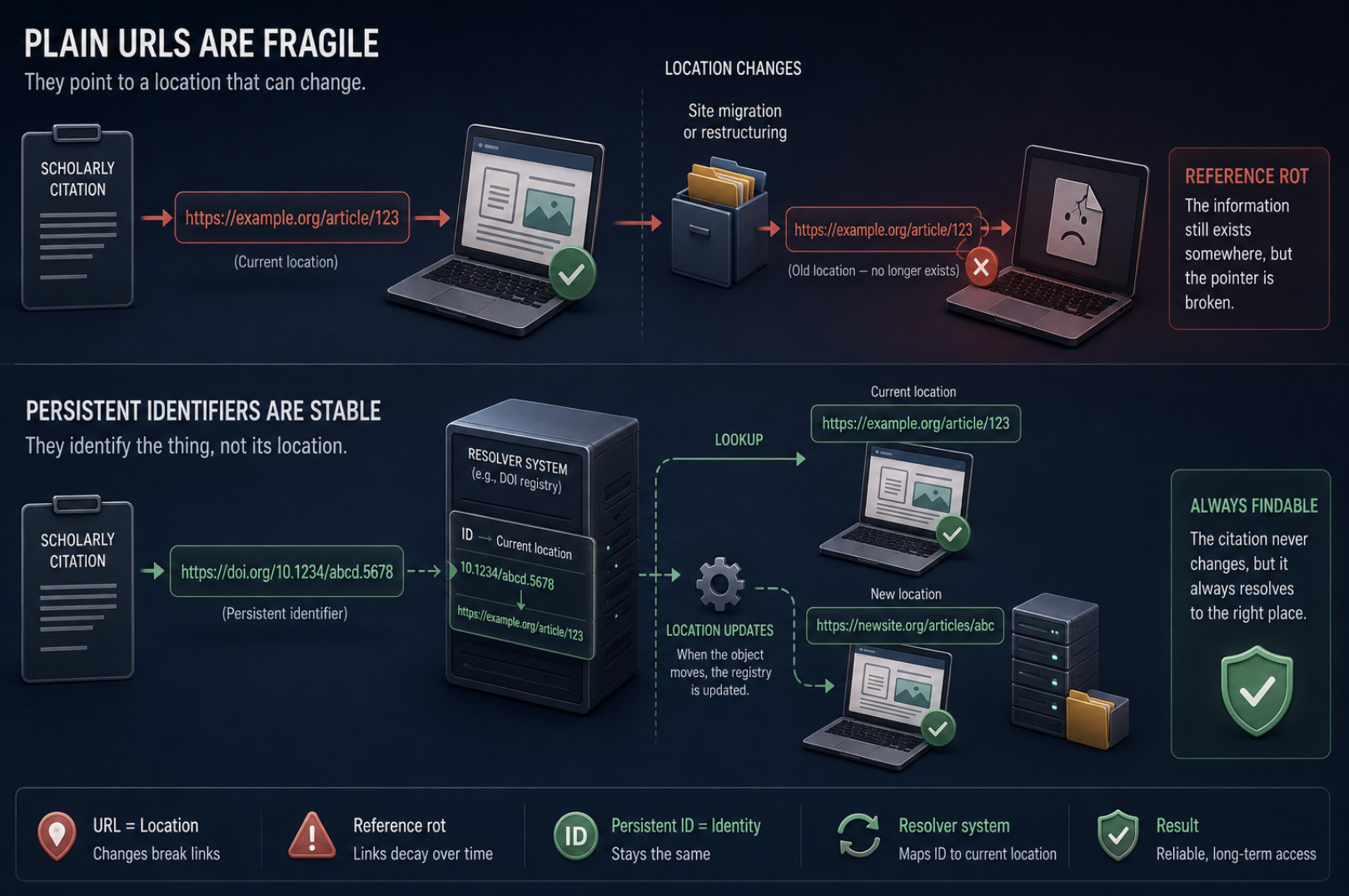
The Persistent Identifiers Holding Digital Scholarship Together
The modern scholarly record has a problem it rarely advertises: the web it is built on will not stay still. Pages move, servers are decommissioned, journals ch…

How Live Dealer Casino Technology Works
Live dealer games sit at a fascinating intersection between a real casino and a digital one. A human dealer at a real table is streamed live to players' screen…
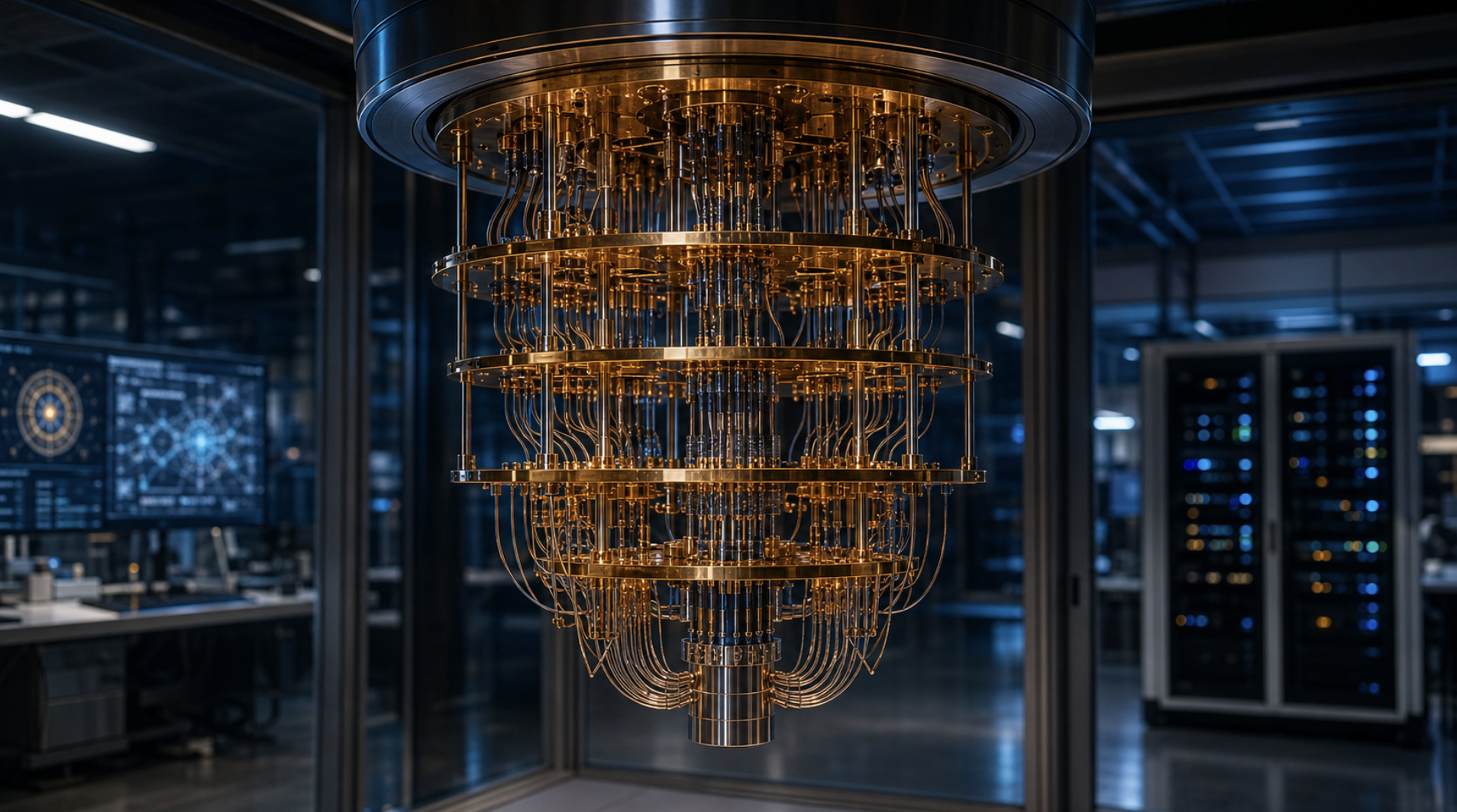
Quantum Computing Explained Without the Usual Hype
Few technologies attract as much breathless coverage, and as much genuine confusion, as quantum computing. It is variously described as the machine that will b…

The Data Centers Quietly Straining the World's Power Grids
Every time someone asks an AI a question, streams a film, or stores a photo in the cloud, the work happens somewhere physical: in a data center, a warehouse-si…
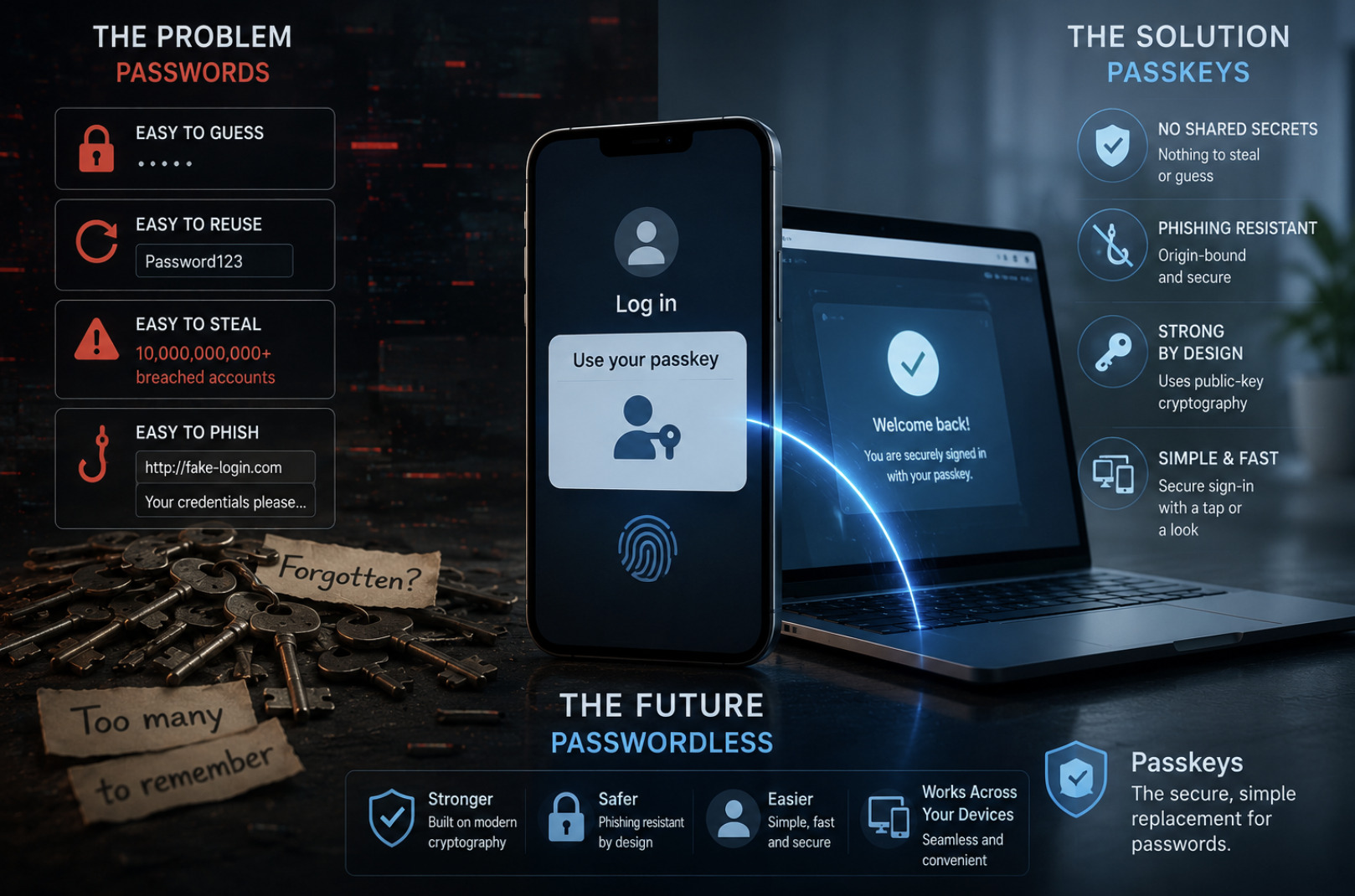
How Passkeys Are Replacing Passwords
The password has had a remarkably long run. For more than sixty years, the basic idea — prove who you are by knowing a secret — has underpinned nearly every lo…

When the House Goes Dark: Online Gambling and the Preservation Problem No One Is Funding
Online casinos and betting platforms are among the most data-rich environments on the internet — and among the most fragile. A look at the born-digital records…
Model Collapse and What Happens When AI Starts Learning From Itself
The large language models that have reshaped how we write, search, and learn were built on a single irreplaceable resource: the vast accumulation of text that…
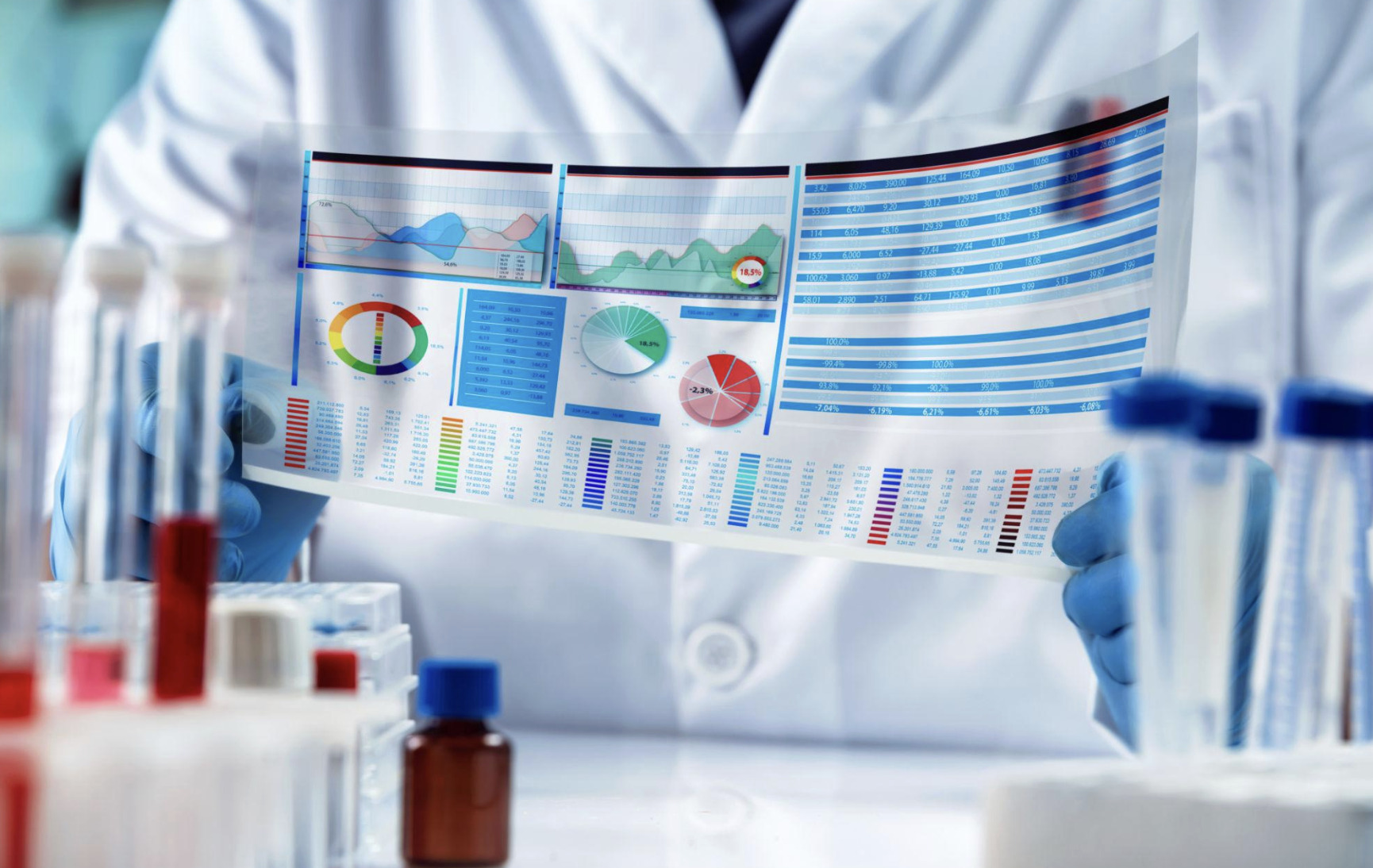
The Experiment That Cannot Be Repeated — Biomedicine's Reproducibility Crisis and the Data We Fail to Keep
Science is supposed to be self-correcting, and the mechanism of that correction is repetition. A finding earns its place in the body of knowledge not because i…
How RAG and LLMs Are Transforming Library Discovery
For two centuries, the front door to a library's knowledge was a list. You asked a question, and the system handed back a set of candidates — catalogue cards,…
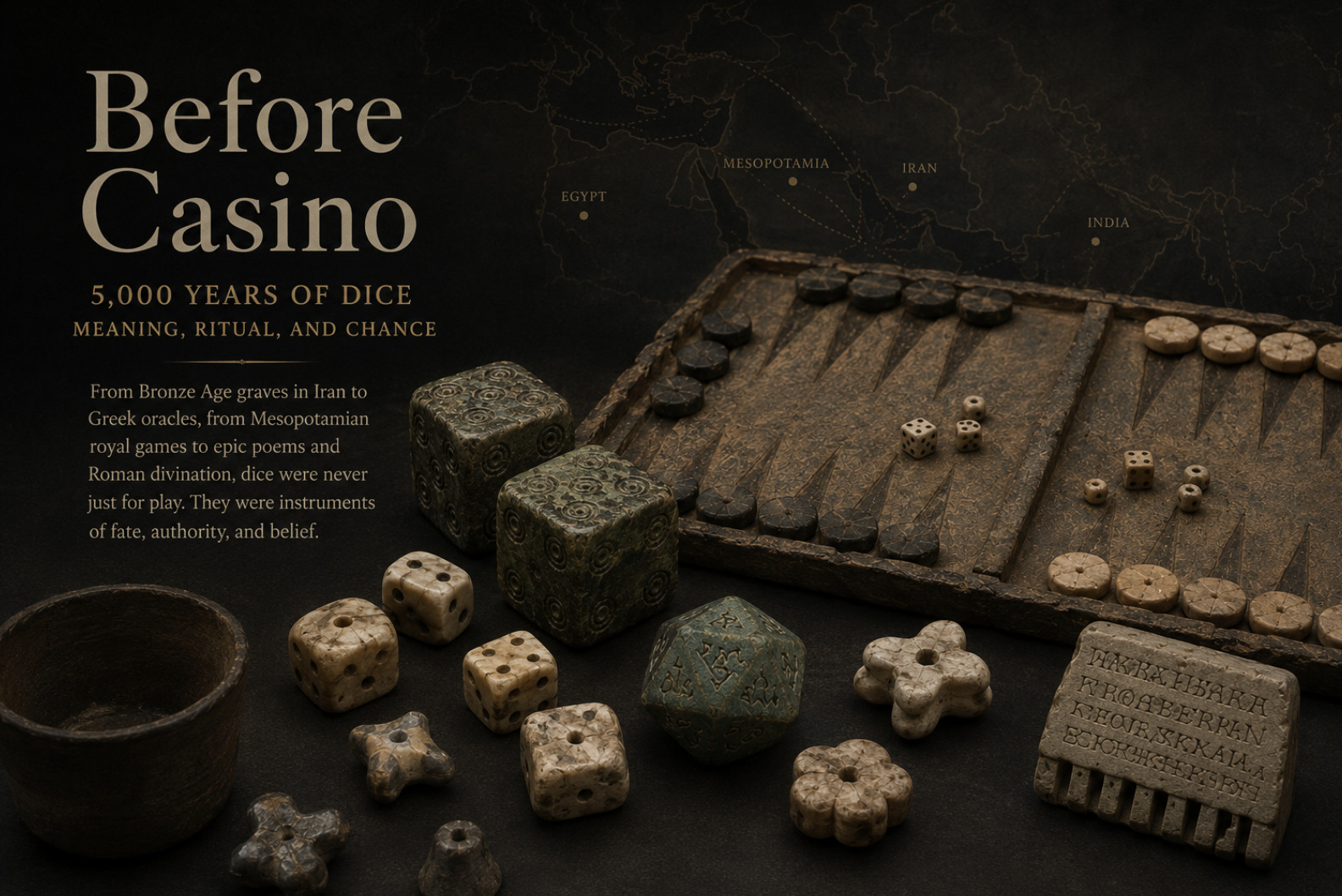
The Oldest Dice Ever Found and What They Reveal About Human Civilization
The oldest objects archaeologists are willing to call dice were excavated in the 1970s from a Bronze Age burial at Shahr-i Sokhta, in what is now southeastern…
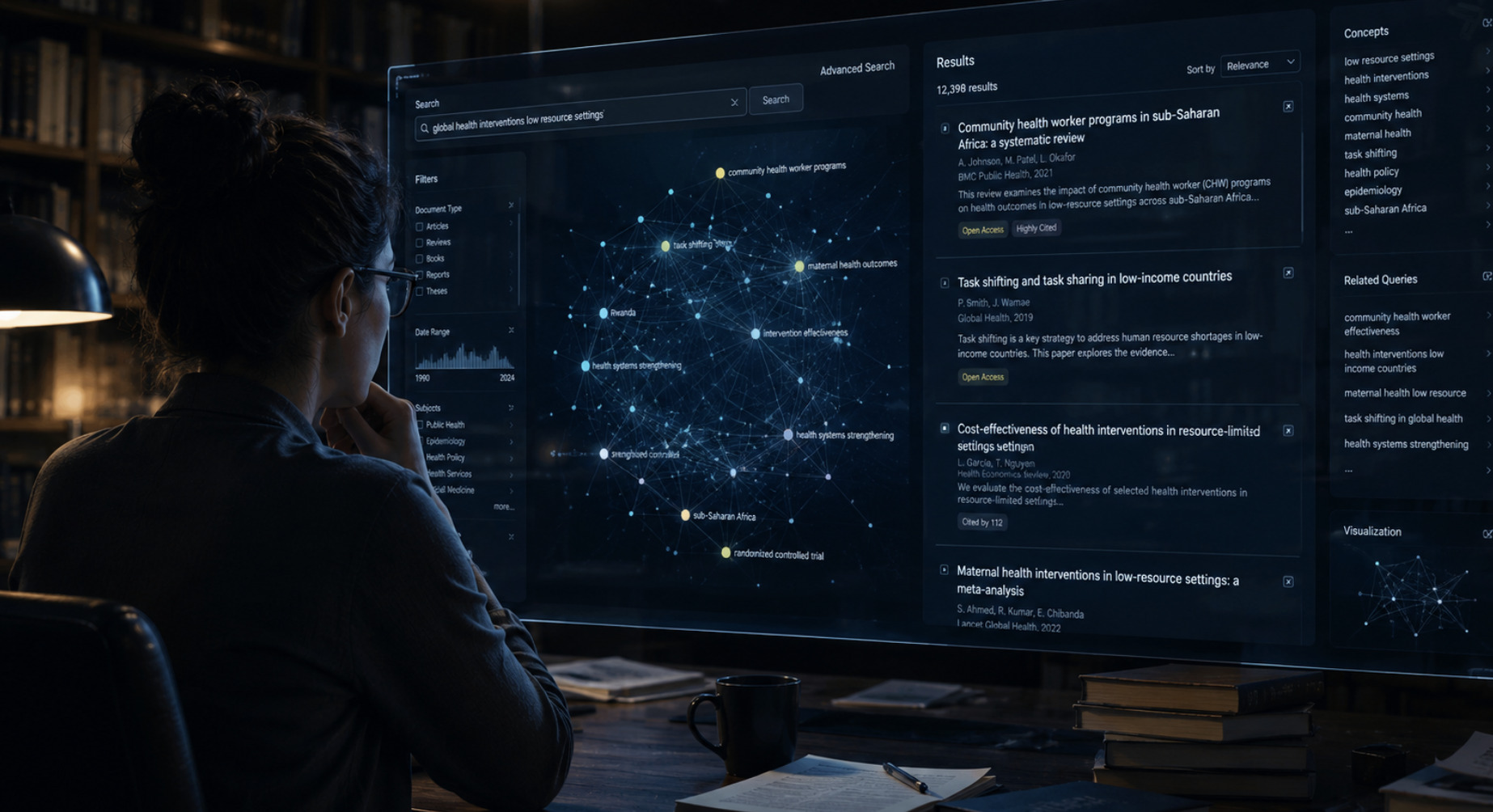
Vector Embeddings Are Not Meaning — What Semantic Search Actually Does to a Digital Library
For most of the field's history, a library catalog was honest about its limitations. You typed words, and it found records containing those words. When it fail…
What Digital Libraries Have Stopped Learning From Industry Recommender Systems
There was a period, roughly between 2008 and 2015, when the digital library community and the recommender systems community were genuinely talking to each othe…
Agentic AI in Digital Libraries — What Autonomy Promises and What It Actually Requires
Something shifted in AI deployment in 2025 that has not yet been fully absorbed by the digital library field. The shift is not in model capability — though mod…

The Library Catalog Was Never Neutral
The catalog has always made an argument. It argues that certain concepts are the correct way to organise knowledge. That certain vocabulary terms are the appro…