"Reinventing the PC" from the edge
The clearest signal came at Computex, where Nvidia CEO Jensen Huang said his company, alongside Microsoft, intends to "reinvent the PC." To back it up, Nvidia unveiled a powerful new laptop chip for Windows machines, designed to run advanced AI models directly on the device.
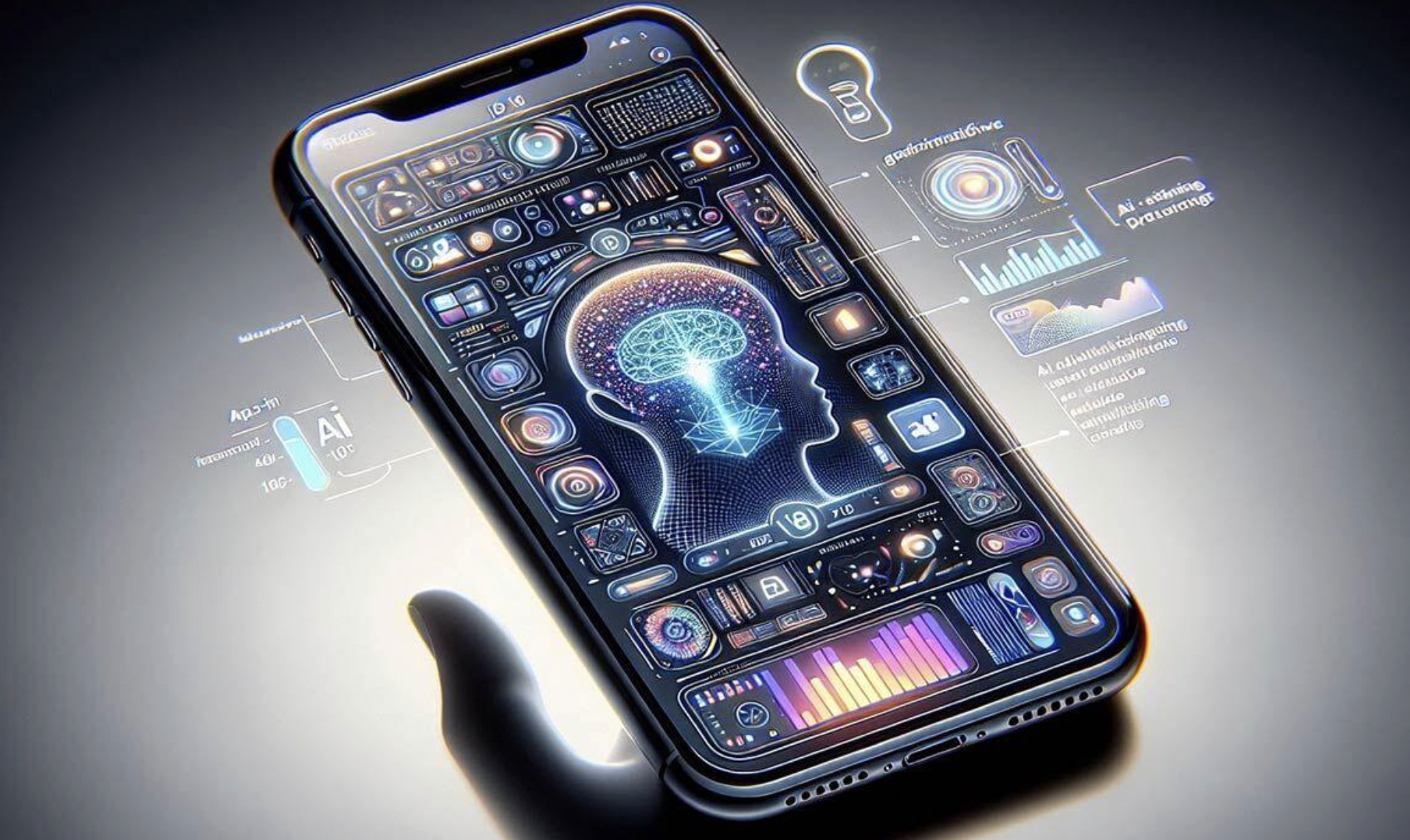
The key phrase here is "on the device." Until recently, anything genuinely demanding — generating images, summarizing long documents, running a capable assistant — had to lean on the cloud. Moving that work to the edge, where smaller devices like phones and computers run advanced models on their own installed chips, changes the equation entirely. Tasks happen instantly, without a round trip to a server. They keep working when your connection drops. And crucially, your data can stay on your machine rather than being shipped off somewhere else.
Nvidia's move beyond the data center and into consumer silicon is a bet that the next computing platform will be defined by what your hardware can do locally, not by how fast it can reach the cloud.
Why on-device AI is such a big deal
The appeal of edge AI comes down to three things: speed, privacy and reliability.
Speed is the obvious one. When a model runs locally, there is no network latency. Your assistant responds the instant you ask, and creative tools render results in real time rather than after an awkward pause.
Privacy is the deeper draw. Health data, personal photos, messages and documents are exactly the kind of information people are uneasy about uploading to a third party. On-device processing means sensitive data can be analyzed where it lives, never leaving your hardware. For an industry under growing scrutiny over how it handles personal information, that is a powerful selling point.
Reliability rounds it out. An assistant that depends on the cloud is only as good as your signal. One that runs on local silicon keeps working on a plane, in a tunnel or anywhere the bars run out.
There is an environmental angle too. Running inference on a device you already own offloads work that would otherwise hit power-hungry data centers — a pressure point that even the United Nations has flagged, with Secretary-General António Guterres urging AI companies to disclose the energy, water and land footprint of their facilities. Pushing some of that workload to the edge will not solve the problem, but it nudges in the right direction.
Wearables get genuinely smart
Nowhere is on-device intelligence more striking than on your wrist. The latest generation of wearable devices embeds multi-modal sensors that track heart-rate variability, blood glucose, cortisol and even early markers of respiratory illness — with on-device machine-learning models processing all of it in real time.
This is a meaningful leap from the step-counters of a few years ago. Instead of simply logging numbers and syncing them to an app later, these devices interpret your biometrics on the spot. A wearable that can flag the early signs of illness, spot stress through cortisol patterns or track glucose without a clinic visit edges into territory that used to belong to medical equipment.
Because the processing happens on the device, this deeply personal stream of health data does not need to be streamed to a server to be useful. The intelligence travels with you, and so does your privacy.
Smarter homes and everyday gadgets
The same logic is spreading across the whole gadget landscape. The smart-tech vision for 2026 leans heavily on devices that understand context and act on it locally — homes that adjust to your routines, appliances that anticipate needs, and accessories that respond conversationally without piping every command to the cloud.
The difference from earlier "smart" gadgets is responsiveness and autonomy. A speaker or display that runs a capable model on its own chip can hold a more natural conversation, work offline and react instantly, rather than feeling like a thin remote control for a server farm. As capable AI chips get cheaper and more power-efficient, this kind of intelligence is trickling down from flagship devices into ordinary ones.
The research pushing the frontier
Behind the consumer products, the science keeps advancing in surprising directions. Researchers at the University of Hong Kong created a brain-inspired chip that can operate just above absolute zero — one of the coldest environments imaginable — pointing toward radically more efficient ways to process information.
And the techniques used to train tomorrow's on-device assistants are evolving too. AI startup General Intuition raised 320 million dollars from backers including Khosla Ventures, General Catalyst and Jeff Bezos, on the bet that millions of hours of gameplay can teach AI agents to understand actions and environments. The smarter and more efficient these agents become, the more of their capability can eventually be squeezed onto the modest hardware in everyday gadgets.
What to watch next
The trajectory is clear. AI is moving out of the data center and into the things we carry and live with. Over the coming year, expect three trends to accelerate: laptops and phones marketed first and foremost on their local AI horsepower, wearables that behave more like personal health monitors than fitness toys, and everyday devices that quietly run capable models without ever phoning home.
For consumers, the payoff is tangible — faster responses, stronger privacy, and gadgets that keep working with or without a connection. The cloud is not going away, but it is no longer the only place intelligence lives. In 2026, the most interesting AI may well be the kind running silently on the device right in front of you.